
How to Handle Mold and Musty Odors in Fabrics

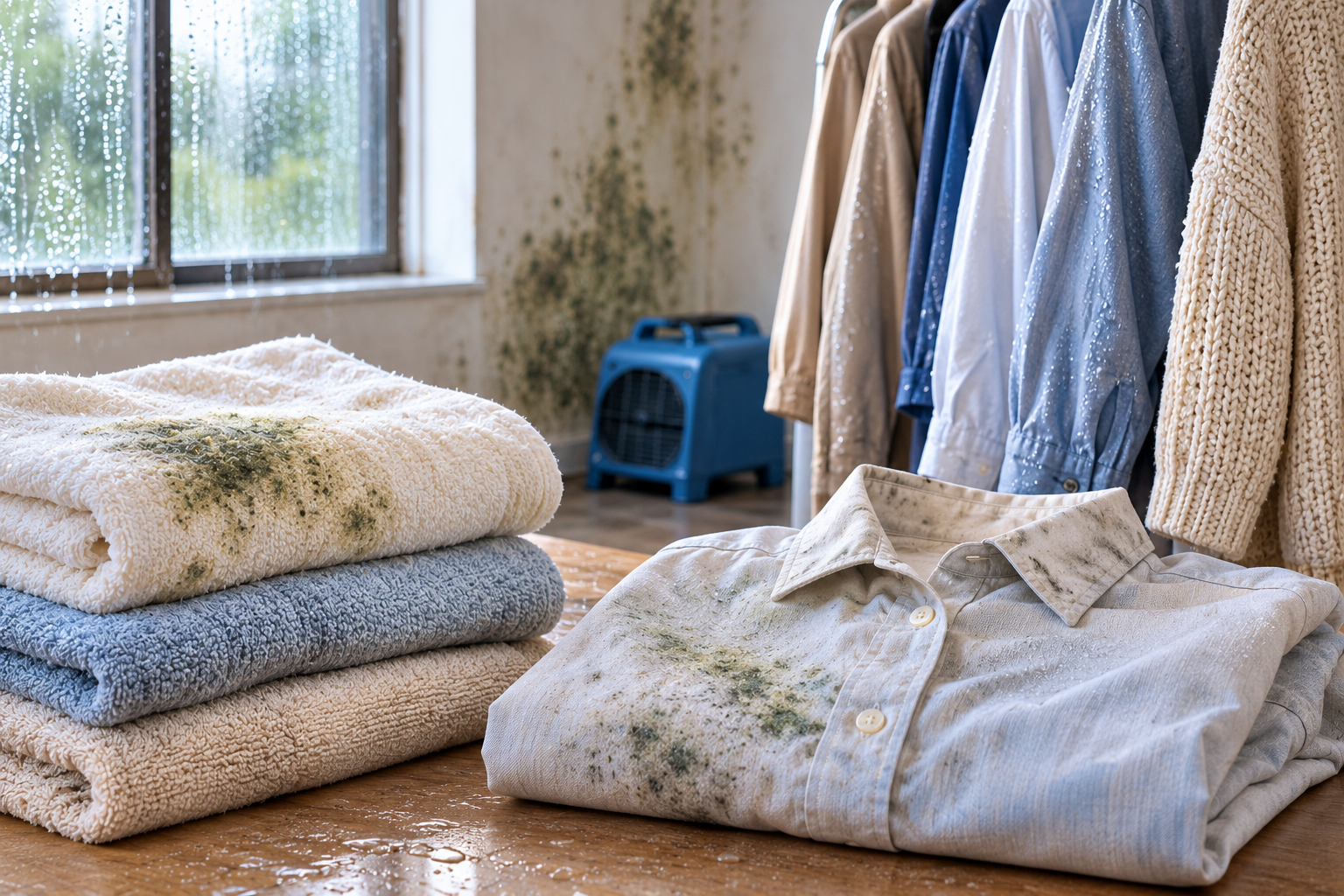
Water damage can happen unexpectedly. A burst pipe, leaking roof, overflowing washing machine, or flooded basement can leave clothing, bedding, curtains, and other household fabrics damp or completely soaked. Even after the visible water disappears, moisture trapped inside fabric fibers can create lingering odors and encourage mold growth.
For homeowners, one of the biggest concerns after water damage is determining which belongings can be cleaned and which may need to be replaced.
The good news is that some water-damaged fabrics can be restored with appropriate cleaning and drying. However, the type of water involved, how long the materials remained wet, and whether mold has developed all affect the outcome.
At Jimmy’s Cleaners and Alterations, we understand the importance of protecting your clothing and household textiles. In this guide, we’ll explain the basics of water damage cleaning, how to handle musty odors, when professional garment care may help, and when replacing contaminated fabrics is the safer choice.
Why Water Damage Is a Serious Problem for Fabrics
When clothing or household textiles become wet, the damage isn’t always immediately visible.
Moisture can penetrate deep into fibers, padding, linings, and fabric layers. If materials remain damp, mold may begin growing within 24 to 48 hours under favorable conditions.
Water exposure can also cause:
- Persistent musty odors
- Mold and mildew growth
- Fabric discoloration
- Dye bleeding
- Shrinkage
- Fiber deterioration
- Damage to decorative details
- Contamination from dirty water
The severity depends on the material, moisture exposure, and surrounding environment.
A cotton shirt soaked by a clean plumbing leak presents a different situation from a comforter submerged in floodwater containing sewage or other contaminants.
Understanding that difference is essential before attempting cleaning.
What Causes Musty Odors in Clothing and Fabrics?
A musty smell is often associated with moisture and microbial activity.
When fabric remains damp in a poorly ventilated environment, mold and other microorganisms may grow on or within the material.
Common situations include:
Flooded Closets
Water entering a bedroom or storage area can soak clothing, shoes, and other belongings.
Even garments that were not directly submerged may absorb moisture from the surrounding environment.
Leaking Roofs
Roof leaks can expose curtains, stored clothing, bedding, and upholstery to repeated moisture.
Because leaks sometimes develop gradually, the damage may go unnoticed for weeks.
Damp Basements
Basements frequently experience elevated humidity.
Clothing stored in cardboard boxes or poorly ventilated closets may develop musty odors over time.
Washing Machine Problems
A leaking washing machine or clothing left wet for extended periods can create unpleasant odors.
In some cases, prompt laundering and complete drying may resolve the problem. However, visible mold or contaminated water requires additional caution.
What Should You Do Immediately After Water Damage?
The first steps after water exposure can influence whether your fabrics are recoverable.
However, safety comes first.
If flooding involves electrical hazards, sewage, chemicals, structural damage, or extensive mold, avoid entering or handling affected materials until qualified professionals determine that it is safe.
1. Identify the Water Source
Before handling damaged fabrics, determine whether the water came from a clean source or potentially contaminated source.
Clean water from a supply pipe is generally less hazardous than sewage backups or outdoor floodwater.
If the source is unknown, treat the water as potentially contaminated.
2. Stop the Moisture Problem
Cleaning clothing won’t solve the problem if the room or storage area remains damp.
The underlying leak or flooding source must be addressed.
Professional water mitigation may be necessary for significant damage.
3. Separate Affected Fabrics
Keep wet or contaminated items away from unaffected clothing.
For items exposed only to clean water, prompt separation and drying can help limit additional damage.
Avoid shaking or brushing visibly moldy materials, which may release spores into the air.
4. Document the Damage
If you expect to file an insurance claim, photograph affected items before cleaning or disposal.
Keep a record of the clothing, bedding, and household textiles involved.
5. Act Quickly
Prompt attention is important because prolonged moisture exposure increases the likelihood of mold growth.
For significant water damage, contact a qualified restoration professional rather than attempting to manage the entire situation yourself.
Can Water-Damaged Clothing Be Saved?
Some clothing can be successfully cleaned after water exposure, particularly when the water was clean and the garments were addressed quickly.
However, not every item is suitable for restoration.
Everyday Clothing
Machine-washable cotton, polyester, and similar garments exposed to clean water may often be cleaned according to their care labels.
The clothing should be thoroughly dried before being worn or stored.
If visible mold, persistent odors, or unknown contamination remains, professional evaluation is appropriate.
Suits and Structured Garments
Suits, blazers, and structured jackets require additional attention.
Water can affect internal linings, padding, interfacing, and other construction elements.
Even if the exterior appears undamaged, the garment may lose its shape.
Professional inspection can help determine whether cleaning and finishing are appropriate.
Delicate Dresses and Formalwear
Wedding dresses, evening gowns, and other formal garments often contain delicate fabrics and embellishments.
Water exposure may affect:
- Silk
- Satin
- Lace
- Beading
- Embroidery
- Decorative trims
- Internal linings
Avoid machine washing these items unless their care instructions specifically allow it.
Professional garment evaluation is generally the safer approach.
Wool and Cashmere
Wool and cashmere can be sensitive to moisture, heat, and agitation.
Improper washing may cause shrinkage, felting, or texture changes.
If these garments have experienced water damage, seek professional advice before attempting treatment.
How to Handle Mold on Clothing
Mold requires more caution than an ordinary stain.
Visible mold may appear as black, green, gray, or white spots, although color alone cannot identify the type of mold or determine whether an item is safe.
Mold exposure can cause irritation or allergic reactions in some individuals, particularly those with asthma or respiratory sensitivities.
If you discover mold on clothing:
- Avoid shaking or aggressively brushing the garment.
- Keep affected items separate from clean clothing.
- Do not mix household cleaning chemicals.
- Avoid attempting to cover odors with fragrances.
- Seek professional guidance for valuable or heavily affected items.
For extensive mold contamination, professional remediation may be necessary before textile cleaning can be considered.
Important: Removing visible spots or eliminating an odor does not automatically mean a contaminated garment is safe to use.
Can Musty Odors Be Removed from Fabrics?
Musty odors can sometimes be removed successfully, but the correct approach depends on the cause.
If an otherwise clean, washable garment developed a mild odor because it was left damp briefly, washing according to the care label and drying it completely may resolve the issue.
However, when the smell is associated with mold growth, contaminated floodwater, or prolonged water exposure, additional assessment is needed.
Professional textile cleaning may help restore certain items after the source of contamination has been addressed.
The goal should be appropriate cleaning and safe restoration—not simply masking the smell.
Why You Should Avoid Common DIY Mold Remedies
Online advice frequently recommends vinegar, baking soda, bleach, or combinations of household products for moldy clothing.
These methods aren’t suitable for every situation.
Bleach Can Damage Fabrics
Chlorine bleach can discolor garments and weaken certain fibers.
It should only be used when the garment’s care instructions permit it and the product is appropriate for the intended purpose.
Vinegar Isn’t a Universal Solution
Vinegar may affect certain dyes and materials. It should not be treated as a guaranteed solution for mold contamination.
Baking Soda May Only Address Odors
Reducing an unpleasant smell doesn’t necessarily eliminate the underlying contamination.
Never Mix Cleaning Chemicals
Mixing bleach with ammonia, acids, or other incompatible cleaners can release dangerous gases.
When dealing with significant mold or contaminated water, professional evaluation is safer than experimenting with household products.
What About Water-Damaged Comforters, Quilts, and Bedding?
Bedding presents additional challenges because thick fabrics and internal fillings can retain moisture.
Comforters, duvets, quilts, and pillows may absorb large amounts of water.
Whether they can be saved depends on:
- The source of the water
- How long the item remained wet
- Whether mold developed
- The type of filling
- Fabric construction
- Whether complete cleaning and drying are possible
Some washable comforters exposed to clean water may be recoverable.
However, mattresses, foam pillows, and heavily contaminated bedding may need replacement, particularly after sewage or outdoor flooding.
Heirloom quilts deserve individual assessment because their sentimental value may justify specialized restoration efforts when safe and feasible.
Can Water-Damaged Curtains and Draperies Be Restored?
Curtains and draperies can absorb moisture from leaks, flooding, or humid indoor conditions.
Potential problems include staining, shrinkage, mold growth, and damage to linings.
Some window treatments may be suitable for professional cleaning if contamination is limited and the fabric remains structurally sound.
However, heavily contaminated materials may not be practical to restore.
For custom draperies, professional inspection can help determine whether cleaning is appropriate.
How Professional Water Damage Cleaning Works
Professional textile restoration generally begins with evaluating the item and the circumstances of the damage.
The process may include several stages.
Initial Inspection
The cleaner or restoration specialist evaluates the fabric, construction, visible damage, and contamination history.
Determining Whether Restoration Is Appropriate
Not every water-damaged item should be cleaned.
Materials exposed to sewage, chemicals, or extensive mold may require specialist handling or disposal.
Fabric-Specific Cleaning
For eligible garments, the appropriate cleaning method is selected based on the fabric and care instructions.
Thorough Drying
Complete drying is essential to prevent moisture from remaining trapped inside fabrics or fillings.
Final Evaluation
After cleaning, the item should be checked for remaining damage, odor, and other concerns.
For contaminated materials, additional professional assessment may be needed before returning them to normal use.
How to Prevent Mold and Musty Odors in Stored Clothing
Prevention is one of the best ways to protect your wardrobe.
Keep Storage Areas Dry
Repair leaks promptly and monitor areas prone to dampness.
Control Indoor Humidity
The U.S. Environmental Protection Agency recommends keeping indoor humidity below 60%, ideally between 30% and 50%, when practical.
A dehumidifier may help in humid spaces.
Clean Clothes Before Storage
Perspiration, body oils, and food residues can remain in clothing even when stains aren’t visible.
Cleaning garments before long-term storage helps protect their condition.
Never Store Damp Clothing
Make sure garments are completely dry before placing them in closets, containers, or garment bags.
Inspect Seasonal Clothing
Check stored garments periodically for moisture, odors, discoloration, or signs of pests.
These simple habits can help prevent costly damage.
Does Homeowners Insurance Cover Water-Damaged Clothing?
Insurance coverage depends on the cause of the damage and the terms of your policy.
Some homeowners policies cover certain sudden and accidental water damage events, while flooding from outside the property may require separate flood insurance.
If clothing or household textiles have been damaged:
- Photograph affected belongings.
- Create an inventory.
- Contact your insurance company.
- Ask whether textile cleaning or replacement is covered.
- Keep receipts and restoration estimates.
Avoid disposing of valuable damaged items before documenting them unless immediate disposal is necessary for safety.
How Jimmy’s Cleaners and Alterations Can Help
Water damage can be frustrating, especially when it affects valuable clothing or sentimental garments.
At Jimmy’s Cleaners and Alterations, professional garment care can help address appropriate cleaning needs once items have been evaluated and determined suitable for treatment.
Depending on the condition of the clothing, services such as professional cleaning, stain treatment, pressing, and alterations may help restore its appearance.
However, extensive mold contamination, sewage exposure, and hazardous water damage should be evaluated by qualified remediation professionals before ordinary garment cleaning is considered.
If you’re unsure whether a water-exposed garment can be cleaned, contact Jimmy’s to discuss the circumstances and whether an assessment or specialist referral is appropriate.
Protect Your Clothing from Water Damage and Musty Odors
Water damage doesn’t always mean every affected garment must be discarded. Many items exposed to clean water can be recovered when they receive prompt, appropriate care.
However, mold growth and contaminated floodwater introduce additional risks that shouldn’t be ignored.
The most important steps are to identify the water source, address moisture problems quickly, avoid risky DIY treatments, and seek professional assistance when contamination is significant.
Proper cleaning and storage can also help prevent future problems.
Need Help with Water-Damaged Clothing?
If your clothing, bedding, or household fabrics have been affected by moisture or water damage, don’t wait for odors and stains to become more difficult to address.
Visit Jimmy’s Cleaners and Alterations or fill out the form below to ask about professional garment cleaning and care.
Describe the type of water exposure and the condition of your items so the team can help determine an appropriate next step.
Protect your favorite clothing with careful cleaning, proper drying, and professional guidance when needed.