
Fire Restoration Cleaning: What Can Be Saved After Smoke Damage?

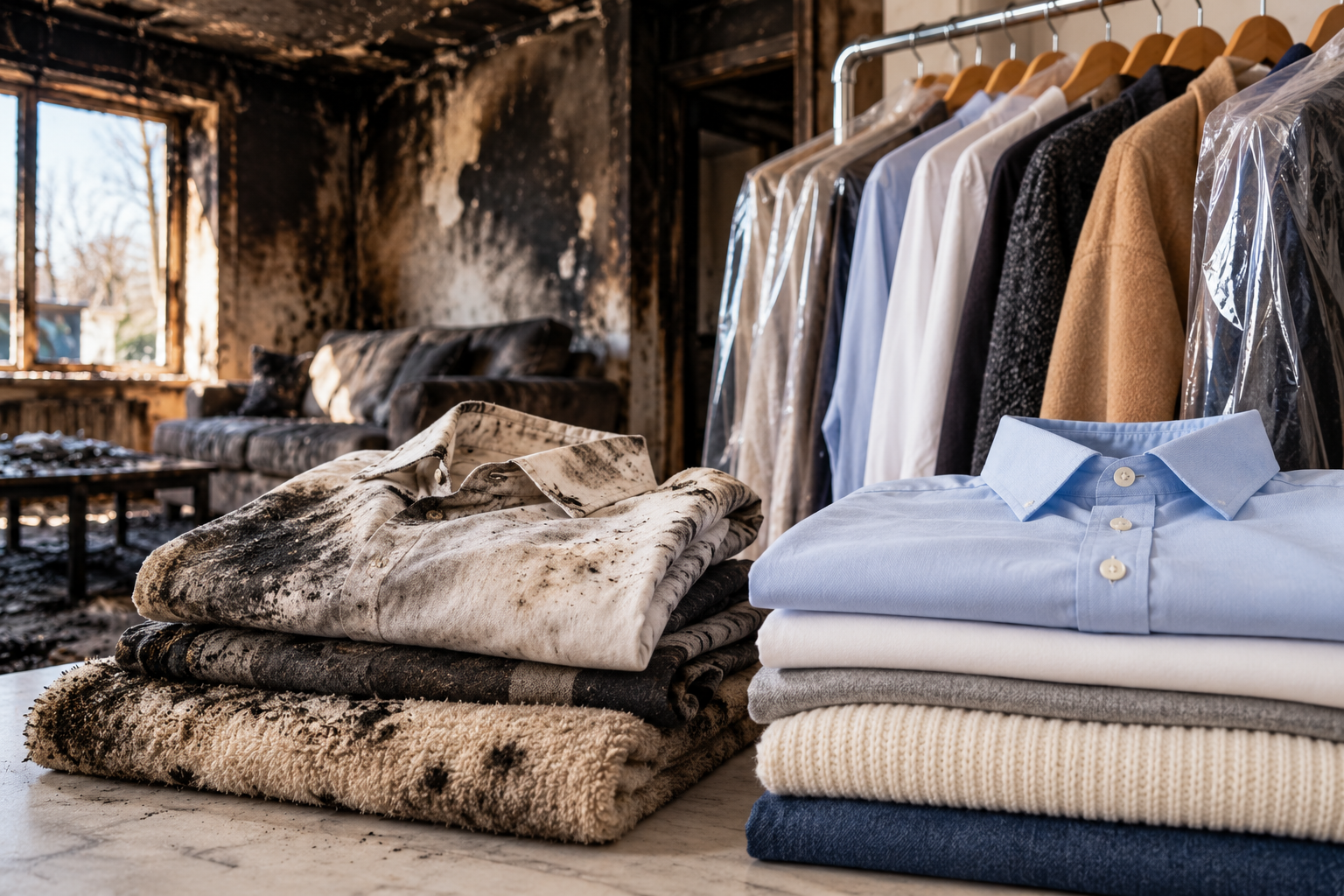
A house fire can change everything in a matter of minutes. Even when firefighters contain the flames quickly, the damage often extends far beyond the areas touched by fire. Smoke, soot, and lingering odors can spread throughout a home, affecting clothing, bedding, curtains, furniture fabrics, and treasured personal belongings.
After a fire, one of the biggest questions homeowners face is: What can actually be saved after smoke damage?
Fortunately, not everything exposed to smoke needs to be thrown away. With proper evaluation and professional fire restoration cleaning, many garments and household textiles may be recoverable. However, the outcome depends on the type of fabric, the severity of the damage, and how quickly appropriate cleaning begins.
At Jimmy’s Cleaners and Alterations, we understand how important clothing and household fabrics can be, especially when they carry sentimental value. This guide explains what smoke damage does to fabrics, which items may be salvageable, and why professional cleaning is often essential during the recovery process.
What Happens to Clothing and Fabrics During a Fire?
When a fire burns, it releases smoke containing gases, particles, and chemical residues. These contaminants can travel through ventilation systems, doorways, and small openings, reaching rooms that were never directly exposed to flames.
Smoke damage can affect fabrics in several ways.
Soot Buildup
Soot consists of fine particles produced during combustion. These particles can settle on clothing, upholstery, bedding, and other porous materials.
Depending on what burned, soot may contain oily or acidic residues that are difficult to remove with ordinary laundry methods.
Persistent Smoke Odors
Smoke odors can penetrate deep into fabric fibers. Even after visible soot disappears, unpleasant smells may remain.
These odors can become particularly noticeable when clothing is exposed to warmth or humidity.
Discoloration
Light-colored fabrics may develop yellow, gray, or brown discoloration after smoke exposure.
Some stains respond to professional treatment, while others may become permanent.
Heat Damage
Heat can weaken fibers, melt synthetic materials, damage elastic components, and alter the shape of garments.
Unfortunately, cleaning cannot reverse fibers that have melted, charred, or suffered significant structural damage.
Understanding these differences is the first step in deciding what can be restored.
What Clothing Can Be Saved After Smoke Damage?
Many garments exposed to smoke may be candidates for professional cleaning, particularly if they were not directly burned or exposed to extreme heat.
However, each item should be inspected individually.
Everyday Clothing
Cotton shirts, pants, jeans, and other everyday garments may be recoverable when the primary problems involve smoke odor and removable soot.
The cleaning method depends on the fabric, care label, and contamination level.
Items with significant chemical residues or heat damage may require disposal instead.
Suits and Professional Clothing
Suits, blazers, dress pants, and structured garments often require specialized attention.
These items contain linings, padding, and internal construction that may be damaged by improper washing.
Professional cleaning can help evaluate whether smoke residues can be removed without affecting the garment’s shape.
Dresses and Formalwear
Wedding dresses, evening gowns, and other formal garments can be especially valuable or sentimental.
Many feature delicate fabrics, lace, embroidery, beading, or multiple layers.
If the gown has smoke exposure but no significant heat damage, specialized cleaning may offer a path toward restoration.
However, delicate materials require careful evaluation before treatment.
Coats and Jackets
Outerwear may trap smoke odors in linings, insulation, and other internal layers.
Some coats can be restored, while heavily contaminated insulated garments may be more difficult to clean thoroughly.
The condition of the entire garment matters, not just the visible exterior.
Can Smoke-Damaged Bedding Be Restored?
Comforters, blankets, duvets, and quilts can absorb smoke because of their large surface areas and layered construction.
Whether they can be saved depends on several factors:
- Fabric composition
- Type and amount of smoke residue
- Condition of the filling
- Exposure to water or firefighting chemicals
- Heat damage
- Ability to clean and dry the item thoroughly
Some washable bedding can respond well to appropriate restoration cleaning.
However, heavily contaminated pillows, mattresses, and certain foam-filled items may not be practical or safe to restore.
For bedding that comes into close contact with your skin and face, successful odor removal alone should not be considered proof that all contaminants have been removed.
What About Curtains and Draperies?
Curtains and drapes are particularly vulnerable to smoke damage because they hang vertically and expose large areas of fabric to circulating air.
They can collect soot and odors even when the fire occurred in another room.
Professional cleaning may help restore certain window treatments, including:
- Fabric curtains
- Decorative drapes
- Sheer panels
- Some lined window treatments
- Certain washable fabric accessories
However, restoration depends on the fabric’s condition.
Heat exposure can weaken fibers, while smoke residues may discolor delicate materials. Linings and decorative trims can also react differently to cleaning.
An inspection helps determine whether treatment is appropriate.
Which Smoke-Damaged Items May Not Be Salvageable?
Although professional fire restoration cleaning can help recover many belongings, some items cannot be safely or economically restored.
Examples include:
Severely Burned Clothing
Garments with charred fabric, melted fibers, or extensive holes generally cannot be returned to their original condition.
Heavily Contaminated Porous Materials
Some fabrics and fillings can retain contamination deep inside their structure, making complete cleaning difficult.
Items Exposed to Hazardous Chemicals
Smoke from burning plastics, electronics, treated materials, or industrial products may contain hazardous residues.
These situations require specialized assessment before anyone attempts cleaning.
Fabrics Damaged by Extreme Heat
High temperatures can permanently change the texture, strength, and appearance of fibers.
Even if an item looks reasonably intact, it may have lost structural integrity.
Important: Do not assume that a garment is safe simply because it no longer smells smoky. If contamination is significant or uncertain, follow guidance from qualified fire restoration and environmental professionals.
What Should You Do Immediately After Smoke Damage?
The first steps after a fire are important, but safety must always come first.
Do not enter a fire-damaged building until emergency personnel or the appropriate authorities confirm that it is safe.
Once the property has been cleared for entry, follow these recommendations.
1. Avoid Shaking Soot-Covered Clothing
Shaking garments can release fine particles into the air and spread contamination.
Handle affected items as little as possible until a qualified professional determines the appropriate process.
2. Don’t Use Household Cleaning Chemicals
Bleach, ammonia, strong detergents, and other household products may react with residues or damage fabrics.
Avoid mixing cleaning chemicals or attempting aggressive stain removal.
3. Don’t Use Perfume or Air Fresheners
Covering smoke odors with fragrance doesn’t remove the underlying contamination.
It may also complicate subsequent cleaning.
4. Keep Affected Items Separate
Do not place smoke-contaminated garments in the same closet or laundry basket as clean clothing.
Follow restoration professionals’ instructions for safe handling, containment, and transportation.
5. Document Damage Before Cleaning
If you plan to file an insurance claim, photograph affected belongings and create an inventory before authorizing cleaning or disposal.
Your insurance company may have specific requirements for documenting damage and approving restoration expenses.
Why Ordinary Washing May Not Remove Smoke Damage
A common mistake after a fire is placing smoke-damaged clothes directly into a household washing machine.
Ordinary laundry equipment may not adequately remove certain soot residues and odors. In some situations, washing can spread contamination to other items or the machine itself.
Professional restoration processes may involve:
- Detailed garment inspection
- Contamination assessment
- Appropriate soot removal
- Fabric-specific cleaning
- Specialized odor treatment
- Evaluation after cleaning
The correct approach depends on the type of smoke and the materials involved.
For heavily contaminated items, a specialist fire restoration company may need to handle the cleaning or coordinate treatment with a qualified textile cleaner.
Can Smoke Odors Be Completely Removed?
Sometimes, yes. However, complete odor removal cannot be guaranteed.
The outcome depends on the source of the smoke, the intensity and duration of exposure, the fabric type, and the extent of contamination.
For example, a lightly exposed cotton shirt may be easier to restore than a thick, multilayer coat that absorbed heavy smoke.
Professional odor treatment may significantly improve the condition of some garments, but persistent odor can indicate that further evaluation is necessary.
Avoid repeatedly washing or applying household deodorizing products without understanding the contamination.
Does Homeowners Insurance Cover Fire Restoration Cleaning?
Many homeowners insurance policies provide coverage for certain types of fire and smoke damage to personal belongings.
Depending on the policy, this may include eligible expenses for cleaning or restoring clothing and household textiles.
However, coverage varies.
Before arranging major restoration work, consider these steps:
- Contact your insurance company.
- Document affected clothing and household items.
- Ask whether textile restoration is covered.
- Confirm whether a particular restoration provider must be used.
- Keep estimates, invoices, and other records.
An insurance adjuster may help determine whether an item should be cleaned, restored, or replaced.
How Long Does Fire Restoration Cleaning Take?
There is no universal timeline for restoring smoke-damaged clothing.
A small number of lightly affected garments may require less work than an entire household wardrobe exposed to heavy smoke.
Factors that influence turnaround time include:
- Number of affected items
- Severity of smoke exposure
- Fabric types
- Specialized treatment requirements
- Availability of restoration services
- Insurance authorization
- Need for additional cleaning or evaluation
If you need essential work clothing or school uniforms quickly, ask whether priority items can be assessed separately.
Why Professional Evaluation Matters
After a fire, homeowners naturally want to save as much as possible.
However, restoration decisions should balance sentimental value, replacement cost, fabric condition, and safety.
A professional evaluation can help answer important questions:
- Is the fabric structurally sound?
- Is the contamination suitable for textile cleaning?
- Can the garment tolerate the required treatment?
- Is restoration economically reasonable?
- Should the item be referred to a specialist?
For valuable or sentimental garments, seeking an assessment before disposal may be worthwhile.
At the same time, severely contaminated items should never be returned to normal use without appropriate clearance.
Preventing Additional Damage During Recovery
Once the immediate emergency has passed, proper handling can help prevent further deterioration.
Avoid storing affected clothing in damp environments. Moisture can create additional problems, including mildew.
Do not place soot-covered garments in direct sunlight or expose them to high heat in an attempt to eliminate odors.
Also, avoid mixing damaged garments with unaffected clothing.
If a restoration specialist has provided instructions for handling contaminated textiles, follow those directions rather than general household laundry advice.
How Jimmy’s Cleaners and Alterations Can Help
Recovering from a fire can be stressful, especially when you’re trying to determine which personal belongings can be saved.
At Jimmy’s Cleaners and Alterations, we understand the value of well-maintained clothing and household fabrics.
Professional garment care can play an important role in restoring eligible items after smoke exposure. Depending on the garment’s condition and the nature of the contamination, services such as cleaning, stain treatment, pressing, and alterations may be relevant.
For significant fire damage, hazardous contamination, or specialized deodorization needs, a qualified fire restoration provider should evaluate the items first.
If you’re uncertain whether a smoke-exposed garment can be cleaned, contact Jimmy’s to discuss the situation and whether an assessment or specialist referral is appropriate.
Fire Restoration Cleaning: Save What You Can, Safely
A fire can leave behind much more than visible damage. Smoke and soot can affect clothing, bedding, curtains, and personal belongings throughout a property.
The encouraging news is that some smoke-damaged textiles may be recoverable through appropriate professional cleaning.
However, not every item can or should be saved. Severe heat damage, hazardous contamination, and deeply embedded residues may make replacement the safer option.
The most important steps are to prioritize safety, document damage, avoid risky DIY cleaning, and seek professional guidance before attempting restoration.
Need Help Evaluating Smoke-Damaged Clothing?
If your clothing or household fabrics have been exposed to smoke, don’t assume everything must be thrown away—or that ordinary washing will solve the problem.
Contact Jimmy’s Cleaners and Alterations to ask about appropriate garment care and whether your items may be suitable for professional cleaning.
Visit jimmyscleaners.net or fill out the form below to describe your situation and request guidance.
Let Jimmy’s Cleaners and Alterations help you explore the next steps for protecting and caring for your valued garments.