
Stain Removal Basics: What to Do Immediately (Before You Bring It In)

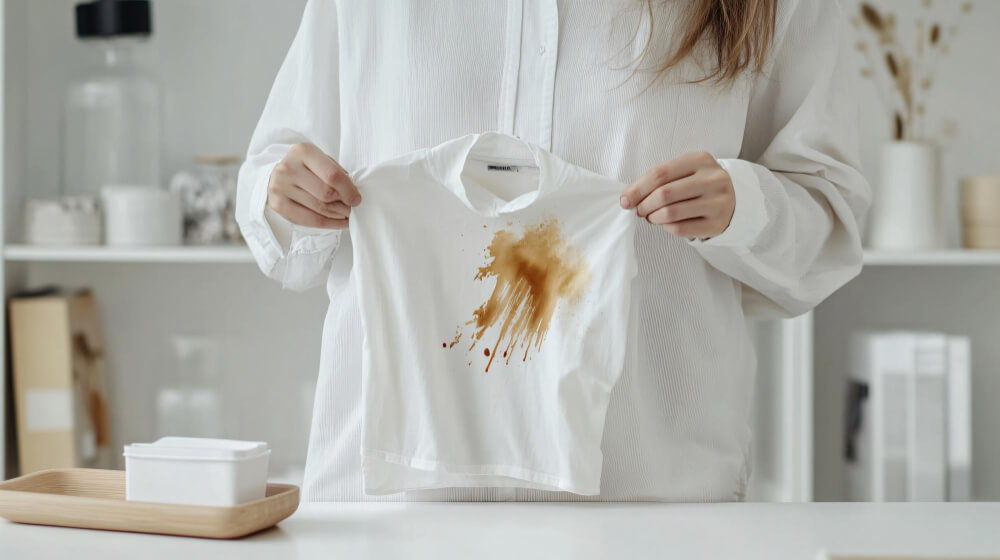
A spilled cup of coffee, a drop of salad dressing, a makeup smudge, or a splash of red wine can happen in seconds. What you do during the first few minutes after a spill can make a major difference in whether the stain comes out—or becomes much harder to remove.
The biggest mistake is often doing too much. Scrubbing aggressively or experimenting with household products can spread a stain, damage fabric fibers, or alter the garment’s color. In many cases, the safest approach is surprisingly simple: remove any excess material, gently blot the area, and let a professional determine the appropriate treatment.
At Jimmy’s Cleaners and Alterations, we regularly handle stained garments ranging from everyday work clothes to suits, dresses, and delicate formalwear. This guide covers the most important stain removal basics, including what to do immediately after an accident and what you should avoid before bringing your garment to a professional cleaner.
Why Acting Quickly Matters for Stain Removal
Stains change over time. A fresh spill sitting near the surface of a fabric may gradually penetrate deeper into the fibers. Some stains can also oxidize as they age, making them increasingly difficult to treat.
Common substances that can become troublesome when left untreated include:
- Coffee and tea
- Wine
- Cooking oils and grease
- Sauces
- Makeup
- Perspiration
- Deodorant
- Ink
- Mud and dirt
Acting quickly doesn’t mean reaching for the strongest cleaner you can find. Instead, your immediate goal should be to prevent the stain from spreading or setting further without damaging the garment.
Step 1: Check the Care Label
Before attempting any treatment, look at the garment’s care label.
If it says “Dry Clean Only,” avoid soaking, washing, or experimenting with stain-removal chemicals at home. Delicate fibers, structured garments, and specialty dyes may react unpredictably to water or household products.
Items made from materials such as silk, wool, cashmere, velvet, or certain rayons deserve particular caution.
When you’re uncertain, doing less at home is usually safer than doing too much.
Step 2: Remove Excess Material Carefully
If the spill includes food, sauce, mud, or another substance sitting on top of the fabric, carefully remove the excess before it spreads.
Use something with a dull edge, such as a spoon, to gently lift material away.
Avoid pushing downward into the fabric.
For liquids, use a clean white cloth or plain paper towel to absorb excess moisture.
The goal at this stage isn’t to completely remove the stain. It’s simply to prevent more of the substance from penetrating the fibers.
Step 3: Blot—Don’t Rub
This is one of the most important rules of basic stain care.
Never aggressively rub a fresh stain.
Rubbing can:
- Push the stain deeper
- Spread it across a larger area
- Damage delicate fibers
- Distort the fabric’s texture
- Create permanent abrasion marks
Instead, gently blot the affected area with a clean, absorbent white cloth.
Using a white cloth is preferable because colored towels can potentially transfer dye, especially when moisture or cleaning products are involved.
Work carefully and avoid excessive pressure.
Step 4: Identify What Caused the Stain
Different stains require different treatments. Knowing what caused the mark can be extremely helpful when you bring the garment to Jimmy’s Cleaners.
Stains generally fall into several broad categories.
Oil-Based Stains
Examples include:
- Cooking oil
- Butter
- Salad dressing
- Grease
- Lotion
- Certain cosmetics
Oil can penetrate fibers quickly and may not respond well to water alone.
Avoid aggressively washing or scrubbing these stains. Professional cleaners have specialized methods for treating oily residues.
Tannin-Based Stains
Common examples include:
- Coffee
- Tea
- Wine
- Fruit juice
These stains can become more difficult to remove as they age, so prompt professional attention is valuable.
Protein-Based Stains
Examples can include:
- Blood
- Dairy products
- Egg
- Certain food spills
Heat can make some protein stains more difficult to remove, which is one reason you shouldn’t automatically apply hot water to every stain.
Dye and Pigment Stains
Ink, cosmetics, and certain food colorings can transfer pigments deep into fabric.
Attempting to dissolve these stains with random household chemicals can cause color loss around the affected area.
Step 5: Be Extremely Careful with Water
It’s natural to assume water is always the safest first response. Unfortunately, that’s not true for every fabric or stain.
Water can:
- Leave rings on certain fabrics
- Cause dyes to bleed
- Affect silk and other delicate materials
- Change the texture of specialty fabrics
- Spread some stains
If the garment’s care instructions allow water and you’re familiar with the fabric, limited treatment may be appropriate. Otherwise, blot excess material and seek professional help.
Common Home Stain-Removal Mistakes to Avoid
Online stain-removal advice often recommends household products as universal solutions. In reality, fabrics and dyes react differently.
Before experimenting, remember that a small stain is usually easier for a professional to address than a large area damaged by an inappropriate treatment.
Don’t Automatically Use Bleach
Bleach can permanently remove color and weaken fibers.
Even on white garments, not every fabric is compatible with chlorine bleach.
Be Careful with Vinegar
Vinegar is frequently promoted as a natural cleaner, but its acidity may affect certain dyes and materials.
It isn’t a universal stain remover.
Avoid Excessive Dish Soap
Dish detergent is formulated primarily for dishes, not delicate garments. Using too much can leave residue and make professional stain treatment more complicated.
Don’t Scrub with a Brush
A toothbrush or cleaning brush may seem helpful, but aggressive scrubbing can damage the fabric surface.
Don’t Apply Heat to an Unknown Stain
Putting a stained garment in the dryer or ironing over the affected area can make certain stains considerably harder to remove.
Until the stain is gone, avoid unnecessary heat.
What to Do with Coffee and Wine Spills
Coffee and wine are among the most common clothing accidents.
Immediately:
- Blot away excess liquid.
- Avoid rubbing.
- Don’t apply heat.
- Bring delicate or valuable garments to a professional cleaner promptly.
Most importantly, tell the cleaner exactly what was spilled.
Knowing the source helps determine the appropriate treatment.
What to Do with Grease and Food Stains
Grease stains can be deceptive. After the visible food is removed, an oily shadow may remain.
Gently lift away any solid food and blot excess oil without spreading it.
Avoid repeatedly adding water in an attempt to wash the grease away, especially on dry-clean-only clothing.
Professional treatment is often the safest option for suits, dresses, jackets, and delicate fabrics.
What About Makeup Stains?
Foundation, lipstick, mascara, and other cosmetics may contain combinations of oils, waxes, dyes, and pigments.
That complexity is why makeup can be challenging to remove.
Avoid aggressively wiping makeup off collars or formal dresses. You may spread a small mark into a much larger stain.
Gently blot excess product and have valuable garments professionally treated.
Don’t Wait Until Next Season
One of the most common garment-care mistakes is putting a stained item into the closet because the mark doesn’t look serious.
Some spills dry nearly invisible and become noticeable later as they oxidize.
This is particularly important for:
- Wedding dresses
- Prom dresses
- Formalwear
- Suits
- Seasonal clothing
- Special-occasion garments
Before storing an item for months, make sure it’s properly cleaned.
Tell Your Cleaner What Happened
When you bring a stained garment to Jimmy’s Cleaners and Alterations, provide as much information as you can.
Helpful details include:
- What caused the stain
- When it happened
- Whether you attempted to clean it
- What products you used
- Whether the garment was washed or dried afterward
Don’t worry if you already tried a home treatment. Simply tell the cleaner what you used. That information can help determine the safest next step.
Why Professional Stain Removal Makes a Difference
Professional stain removal isn’t about applying one powerful chemical to every garment. Effective treatment considers several factors, including the stain, fabric, dye, garment construction, and care instructions.
Professional garment care may help with stains involving:
- Food and beverages
- Oil and grease
- Makeup
- Perspiration
- Dirt
- Ink and other difficult marks
No cleaner can guarantee that every stain will disappear completely. The age of the stain, previous treatments, fabric condition, and dye stability can all affect the final result.
However, bringing the garment in promptly and avoiding damaging DIY treatments gives professionals the best possible starting point.
Trust Jimmy’s Cleaners and Alterations with Tough Stains
Accidents happen. A stain doesn’t necessarily mean your favorite shirt, suit, dress, or jacket is ruined.
The key is responding carefully.
Remember the basic rules: check the care label, remove excess material, blot instead of rubbing, avoid unnecessary chemicals and heat, and seek professional care for valuable or delicate garments.
At Jimmy’s Cleaners and Alterations, we provide professional garment cleaning, stain treatment, pressing, and alterations to help keep your wardrobe looking its best.
Have a Stain? Bring It In as Soon as Possible
The sooner a stain receives appropriate attention, the better. Instead of experimenting with multiple household products and potentially making the problem worse, let an experienced cleaner evaluate the garment.
Visit Jimmy’s Cleaners and Alterations at jimmyscleaners.net or fill out the form below to ask about professional stain removal and garment cleaning. Tell us what happened, and we’ll help determine the appropriate care for your clothing.